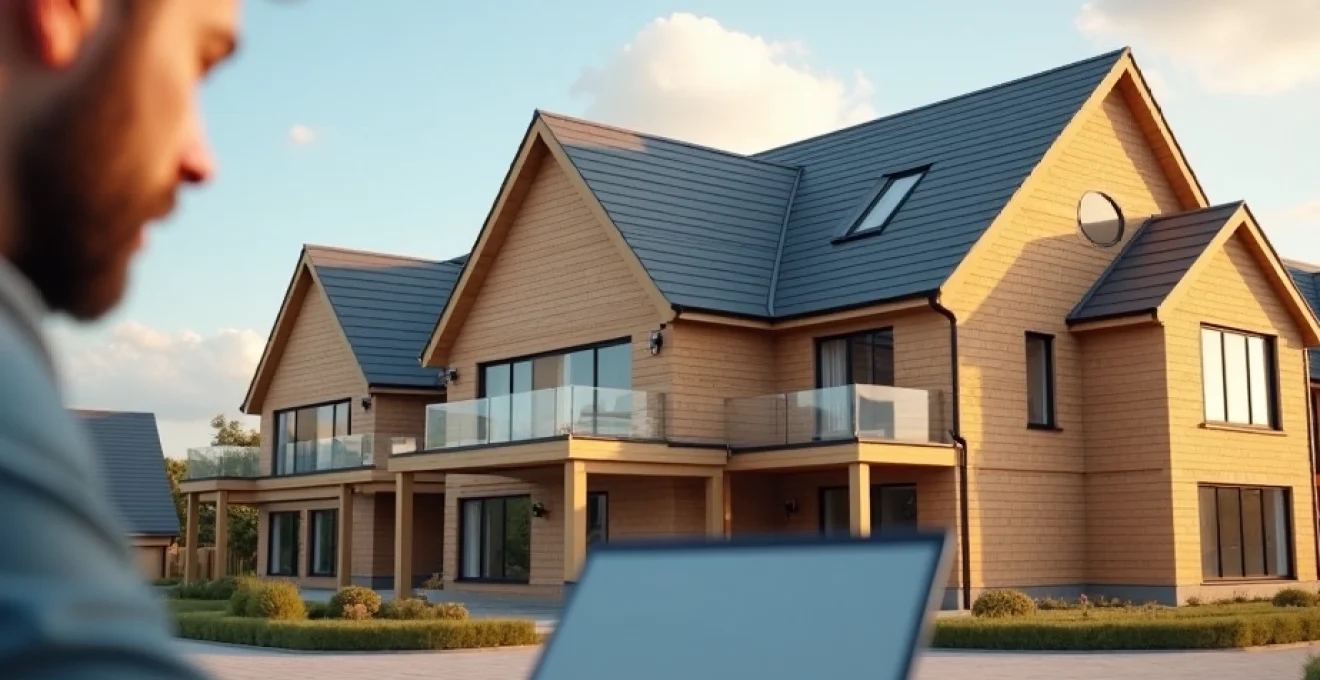
In today’s competitive real estate market, home builders need to leverage cutting-edge digital marketing strategies to stand out and attract potential buyers. The digital landscape offers a wealth of opportunities to showcase properties, engage with prospects, and nurture leads through the home buying journey. By implementing a comprehensive digital marketing approach, home builders can significantly enhance their online presence, generate quality leads, and ultimately boost sales.
Digital marketing for home builders goes beyond simply having a website or posting on social media. It requires a strategic blend of content marketing, social media tactics, email automation, local SEO optimisation, and targeted advertising. Each of these elements plays a crucial role in creating a robust online presence that resonates with potential homebuyers and sets you apart from the competition.
Content marketing strategies for home builder websites
Your website is often the first point of contact between your business and potential clients. It’s essential to create a content strategy that not only showcases your properties but also provides valuable information to guide prospects through their home buying journey.
Crafting compelling property descriptions with Long-Tail keywords
When writing property descriptions, it’s crucial to go beyond basic features and specifications. Incorporate long-tail keywords that potential buyers might use in their searches, such as “energy-efficient homes in [location]” or “custom-built family homes with open floor plans”. These specific phrases can help your listings rank higher in search results and attract more qualified leads.
For example, instead of simply stating “3-bedroom house”, you could write “Spacious 3-bedroom eco-friendly home with solar panels in [neighbourhood]”. This approach not only improves SEO but also provides more detailed information that can capture the interest of potential buyers.
Leveraging Before-and-After renovation galleries for visual impact
Visual content is incredibly powerful in the real estate industry. Create galleries showcasing before-and-after photos of your renovation projects or custom builds. This visual storytelling can demonstrate your expertise and craftsmanship, helping potential clients envision the possibilities for their own homes.
Ensure that your galleries are optimised for both desktop and mobile viewing, with high-quality images that load quickly. Consider using a lightbox feature for a seamless browsing experience, allowing users to easily navigate through your portfolio of work.
Implementing schema markup for rich snippets in search results
Schema markup is a powerful tool for enhancing your website’s appearance in search engine results pages (SERPs). By implementing schema markup for properties, you can provide search engines with structured data about your listings, which can result in rich snippets that stand out in search results.
Use schema.org vocabulary to mark up information such as property type, number of bedrooms, price range, and amenities. This can lead to more informative search results, potentially increasing click-through rates to your website.
Creating virtual tours and 3D floor plans for enhanced user experience
In an era where remote viewing is becoming increasingly common, virtual tours and 3D floor plans are no longer just nice-to-have features – they’re essential. These interactive elements allow potential buyers to explore properties from the comfort of their own homes, providing a more immersive experience than static photos alone.
Invest in high-quality virtual tour software and 3D rendering tools to create engaging, realistic representations of your properties. Ensure that these features are easily accessible on your website and optimised for both desktop and mobile devices.
Social media tactics for home builder brand awareness
Social media platforms offer unique opportunities to showcase your work, engage with potential clients, and build brand awareness. Each platform has its strengths, and a well-rounded social media strategy should leverage these to maximise your reach and engagement.
Utilising instagram stories for Behind-the-Scenes construction updates
Instagram Stories provide an excellent platform for sharing real-time updates and behind-the-scenes glimpses of your construction projects. Use this feature to showcase the progress of builds, highlight unique design elements, or introduce your team members.
Create a consistent posting schedule for Stories, perhaps featuring weekly updates on specific projects. Use engaging features like polls, questions, or sliders to encourage interaction from your followers. This approach not only keeps your audience engaged but also humanises your brand and builds trust with potential clients.
Developing pinterest boards for interior design inspiration
Pinterest is a goldmine for home design inspiration , making it an ideal platform for home builders to showcase their work and attract potential clients. Create boards that highlight different design styles, room types, or specific features of your builds.
For example, you might have boards dedicated to “Modern Kitchen Designs”, “Eco-Friendly Home Features”, or “Custom Home Exteriors”. Use high-quality images and ensure that each pin links back to relevant content on your website, driving traffic and potentially generating leads.
Leveraging facebook groups for community engagement and lead generation
Facebook Groups can be a powerful tool for building community and generating leads. Create a group focused on home building, renovation tips, or local real estate trends. This can position your brand as a helpful resource and allow you to engage directly with potential clients.
Regularly share valuable content, answer questions, and foster discussions within the group. This approach can help build trust and establish your expertise, potentially leading to new business opportunities.
Creating YouTube tutorials on home maintenance and DIY projects
YouTube offers a platform to showcase your expertise through video content. Create tutorials on home maintenance, DIY projects, or explanations of various building techniques. This content can attract viewers who are interested in home improvement and may be considering building or renovating in the future.
Ensure your videos are well-produced, informative, and include clear calls-to-action directing viewers to your website or contact information. Consistently producing valuable content can help build a subscriber base and establish your brand as a trusted authority in the industry.
Email marketing automation for home builder lead nurturing
Email marketing remains one of the most effective tools for nurturing leads and guiding prospects through the home buying journey. Implementing automation can help you deliver personalised, timely content to your subscribers, increasing engagement and conversion rates.
Segmenting subscribers based on property preferences and budget
Not all leads are at the same stage in their home buying journey, nor do they all have the same preferences or budget. Segmenting your email list allows you to tailor your messaging to specific groups, increasing the relevance and effectiveness of your communications.
Consider creating segments based on factors such as:
- Property type preferences (e.g., single-family homes, townhouses, custom builds)
- Budget range
- Desired location or neighbourhood
- Stage in the buying process (e.g., researching, ready to buy, post-purchase)
Implementing drip campaigns for different stages of the buying journey
Drip campaigns allow you to automate a series of emails that guide leads through the buying process. Create different campaigns for various stages of the journey, providing relevant information and calls-to-action at each step.
For example:
- Welcome series for new subscribers
- Educational content about the home building process
- Showcase of available properties or customisation options
- Financing information and resources
- Testimonials and case studies from satisfied homeowners
Utilising dynamic content for personalised property recommendations
Dynamic content allows you to personalise email content based on subscriber data and behaviour. Use this feature to showcase properties or design options that align with each subscriber’s preferences and budget.
For instance, if a subscriber has shown interest in eco-friendly homes, you could dynamically insert content about your energy-efficient building practices or sustainable material options. This level of personalisation can significantly increase engagement and conversion rates.
Integrating CRM systems for targeted follow-up strategies
Integrating your email marketing platform with a Customer Relationship Management (CRM) system can provide valuable insights and enable more targeted follow-up strategies. This integration allows you to track interactions across multiple touchpoints, providing a more comprehensive view of each lead’s journey.
Use this data to trigger automated follow-ups based on specific actions or milestones. For example, you might send a personalised email invitation for a site visit to a lead who has viewed a particular property multiple times on your website.
Local SEO optimisation techniques for home builders
For home builders, local search visibility is crucial. Many potential clients begin their search for a builder in their local area, making local SEO optimisation an essential part of your digital marketing strategy.
Claiming and optimising google my business listings
Google My Business (GMB) is a powerful tool for improving your local search visibility. Claim and verify your GMB listing, ensuring all information is accurate and up-to-date. This includes your business name, address, phone number, website URL, and business hours.
Regularly update your GMB profile with new photos of completed projects, respond promptly to reviews, and use the Posts feature to share updates about your business. This active management can improve your visibility in local search results and Google Maps.
Building citations on Industry-Specific directories like houzz and HomeAdvisor
Citations, or mentions of your business name, address, and phone number on other websites, play a crucial role in local SEO. Focus on building citations on reputable, industry-specific directories such as Houzz, HomeAdvisor, and local chamber of commerce websites.
Ensure that your business information is consistent across all citations. Inconsistencies can confuse search engines and potentially harm your local search rankings.
Implementing hyperlocal content strategies for Neighbourhood-Specific pages
Create dedicated pages on your website for each neighbourhood or area where you build homes. These pages should include detailed information about the local community, amenities, school districts, and any specific building regulations or trends in that area.
Use location-specific keywords naturally throughout the content, and consider including area-specific testimonials or case studies. This hyperlocal approach can help you rank for location-based searches and provide valuable information to potential clients researching specific areas.
Leveraging customer reviews for enhanced local search visibility
Customer reviews are not only crucial for building trust with potential clients but also play a significant role in local search rankings. Encourage satisfied clients to leave reviews on your Google My Business profile, as well as other relevant platforms like Houzz or Facebook.
Respond to all reviews, both positive and negative, in a professional and constructive manner. This engagement demonstrates your commitment to customer satisfaction and can positively impact your local search visibility.
Pay-per-click advertising strategies for home builder lead generation
While organic search and social media strategies are essential, pay-per-click (PPC) advertising can provide immediate visibility and lead generation opportunities for home builders. A well-structured PPC campaign can target potential clients at various stages of the buying journey, from initial research to ready-to-purchase.
Structuring google ads campaigns for specific property types and locations
Create separate campaigns for different property types or locations to ensure your ads are as relevant as possible to searchers. This might include campaigns for:
- Custom home builds
- Specific neighbourhoods or developments
- Energy-efficient or eco-friendly homes
- Luxury properties
Use a combination of broad match modified, phrase match, and exact match keywords to capture a range of relevant searches. Regularly review and refine your keyword list based on performance data.
Implementing remarketing tactics for website visitors and past clients
Remarketing allows you to show targeted ads to people who have previously visited your website or interacted with your brand. This can be particularly effective for home builders, as the decision to build a home often involves a lengthy consideration process.
Create tailored remarketing campaigns based on the specific pages or properties visitors have viewed on your site. For past clients, consider ads promoting referral programmes or showcasing new developments that might interest them.
Utilising facebook’s custom audiences for targeted ad delivery
Facebook’s Custom Audiences feature allows you to target ads to specific groups of people based on their interactions with your business. This can include website visitors, email subscribers, or even offline customer lists.
Create custom audiences for different segments of your customer base, such as:
- Website visitors who viewed specific property types
- Email subscribers who engaged with particular campaigns
- Past clients for referral or upsell opportunities
Optimising landing pages for conversion rate improvement
The effectiveness of your PPC campaigns largely depends on the quality of your landing pages. Create dedicated landing pages for each campaign or ad group, ensuring that the content aligns closely with the ad messaging and user intent.
Include clear, compelling calls-to-action (CTAs) and minimise distractions that could lead visitors away from the desired conversion action. Regularly test different elements of your landing pages, such as headlines, images, or CTA buttons, to continuously improve conversion rates.
Remember, successful digital marketing for home builders requires a comprehensive, integrated approach. By combining these strategies and continuously refining your efforts based on performance data, you can create a powerful online presence that attracts and engages potential clients throughout their home buying journey.